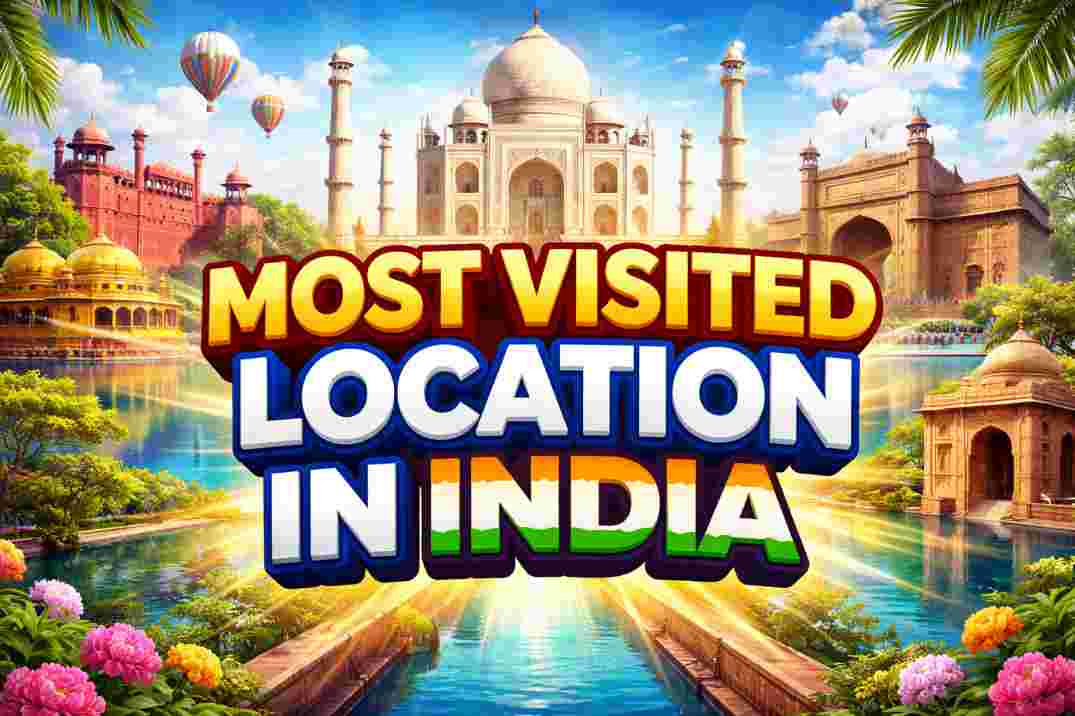
The Most Visited Location in India: A Friendly Guide to the Country’s Top Tourist Magnet
If you’ve ever Googled “most visited location in India,” you’re not alone. Travelers, travel agents, and even curious locals type the phrase into search bars hoping to discover the place that captures the heart of a nation. In this post we’ll unpack exactly why that spot draws millions, how it fits into India’s broader tourism landscape, and what you should know before you book your next trip.
Why “Most Visited Location in India” Matters
India is a tourism powerhouse—the Ministry of Tourism reports that the country welcomed over 10 million foreign visitors in 2023, and domestic travel adds another 500 million trips each year. With such massive numbers, the most visited location becomes a barometer for:
| ✅ | Cultural relevance – The site often reflects centuries-old traditions, festivals, and architecture that define Indian identity. |
| ✅ | Economic impact – Ticket sales, hospitality, and local crafts generate jobs and revenue for surrounding communities. |
| ✅ | Infrastructure development – High footfall pushes governments and private players to improve roads, airports, and public amenities. |
| ✅ | Marketing leverage – Travel agencies and tourism boards use the “most visited” badge to attract both first-time and repeat visitors. |
In short, knowing the most visited location in India isn’t just trivia—it’s insight into the country’s pulse.
The Crown Jewel: Taj Mahal, Agra
If you ask any Indian travel expert, the answer is almost always the same: the Taj Mahal. This ivory-white marble mausoleum, built by Emperor Shah Jahan in memory of his beloved wife Mumtaz Mahal, has been the most visited location in India for decades.
Quick Stats (2022–2024)
| Rank | Destination | Approx. Annual Visitors* | Main Attraction(s) | Nearest Airport |
|---|---|---|---|---|
| 1 | Taj Mahal, Agra | 8.0 million (incl. domestic & foreign) | The marble tomb, gardens, Yamuna River view | Agra Airport (AGR) – 10 km |
| 2 | Jaipur (Amber Fort, City Palace) | 6.4 million | Palaces, forts, vibrant bazaars | Jaipur International (JAI) |
| 3 | Kerala (Munnar, Alleppey) | 5.2 million | Backwaters, tea plantations, wildlife | Cochin International (COK) |
| 4 | Varanasi (Ghats) | 4.9 million | Spiritual rituals, boat rides | Varanasi Airport (VNS) |
| 5 | Goa (Beaches) | 4.5 million | Beaches, nightlife, Portuguese heritage | Goa International (GOI) |
In most visited location in india Numbers are aggregated from the Ministry of Tourism, state tourism boards, and independent visitor surveys.
“Standing before the Taj for the first time feels like stepping into a dream. It’s no wonder it’s the most visited location in India—every visitor leaves with a piece of its beauty etched in their memory.”
— Rhea Patel, travel photographer, 2023.
What Makes the Taj Mahal Unstoppable?
1. Iconic Architecture
Designed by a team of Persian, Turkish, and Indian artisans, the Taj combines Islamic, Persian, and Indian architectural elements—a visual feast that has inspired countless postcards, films, and Instagram reels. Its symmetrical gardens, reflecting pools, and the central dome create a photo-friendly environment that fuels social-media buzz.
2. Romantic Narrative
A love story transcending time resonates across cultures. That narrative is built into every guidebook, tour script, and souvenir, making the site an emotional pilgrimage for couples and romantics worldwide.
3. Accessibility
Agra sits on the Golden Quadrilateral, a network of highways linking Delhi, Jaipur, and Mumbai. The city is reachable by road, rail, and air, and a short 30-minute drive from the nearest airport brings visitors straight to the marble marvel.
4. Year-Round Events
From Mughal-Era light-and-sound shows to Diwali fireworks over the Yamuna, the Taj’s calendar is packed with cultural happenings that keep both domestic and foreign tourists coming back.in most visited location in india this is in 1 rank
Beyond the Taj: Other Hotspots Competing for the Crown
While the Taj Mahal remains the undisputed most visited location in India, the nation boasts several other destinations that see massive footfall. Here’s a snapshot of the next-big-players and why they deserve a spot on your travel bucket list.
1. Jaipur – The Pink City
Key attractions: Amber Fort, Hawa Mahal, Jal Mahal, City Palace.
Why it draws crowds: A vibrant blend of Rajasthani royalty, bustling bazaars, and a rich culinary scene (dal-baati-churma).
Best time to visit: October–March (cooler weather).
“Jaipur feels like walking through a living museum—every street corner tells a story.”
— Arun Mehta, heritage tour guide, 2022.
2. Kerala – God’s Own Country
Key attractions: Backwaters of Alleppey, Munnar’s tea gardens, Periyar wildlife sanctuary, Kathakali performances.
Why it draws crowds: A slow-paced, nature-centric experience that appeals to wellness seekers and eco-tourists. Houseboat stays and Ayurvedic spas add a luxury touch.
Best time to visit: September–February (post-monsoon freshness).
3. Varanasi – The Spiritual Heart
Key attractions: Ghats of the Ganges, Kashi Vishwanath Temple, Banaras Hindu University.
Why it draws crowds: A powerful spiritual magnet for pilgrims, yoga enthusiasts, and curious travelers wanting to witness rituals like the Ganga Aarti.
Best time to visit: November–February (pleasant weather).
4. Goa – India’s Party Paradise
Key attractions: Calangute & Baga beaches, Portuguese churches, Dudhsagar waterfalls.
Why it draws crowds: Sun, sand, and nightlife combine with a laid-back vibe that attracts backpackers, families, and luxury seekers alike.
Best time to visit: November–March (dry season).
Planning Your Trip to the Most Visited Location in India
If you’re ready to join the millions who flock to the Taj Mahal (or any of the other top spots), here are some practical tips to make your journey smooth and unforgettable.
| Tip | Why It Helps |
|---|---|
| 1 Book tickets online – Use the official e-ticket portal to skip long queues. | Saves hours, especially during peak seasons (Oct-Jan). |
| 2 Hire a licensed guide – Guides are certified by the Archaeological Survey of India. | Gives richer historical context and ensures you don’t miss hidden details. |
| 3 Visit early or late – Sunrise (6:00 am) and sunset (7:30 pm) are less crowded and offer magical lighting for photos. | Better photo ops and cooler temperatures. |
| 4 Dress modestly – Light cotton, shoulder-covering clothing respects local customs. | Comfort and cultural sensitivity. |
| 5 Stay hydrated – Carry a reusable water bottle; many hotels provide filtered water stations. | Prevents dehydration in hot climates. |
| 6 Explore the surrounding area – In Agra, also check out Fatehpur Sikri (UNESCO site) and the Agra Fort. | Extends your experience beyond the main attraction. |
Sustainable Tourism: Protecting the Most Visited Location in India
With great popularity comes responsibility. Over-tourism can strain conservation efforts, especially for delicate heritage sites like the Taj Mahal, where air pollution causes marble discoloration.
- Take a “no-plastic” pledge: Use refillable bottles and avoid single-use plastics.
- Follow the “Leave No Trace” principle: Stick to marked paths, don’t touch artifacts, and dispose of waste properly.
- Support local artisans: Purchase hand-crafted souvenirs directly from certified cooperatives, helping sustain community livelihoods.
“Travel is a two-way street. When we respect the places we love, they continue to welcome future generations.”
— Dr. Priya Ranganathan, environmental sociologist, 2024.
Frequently Asked Questions (FAQ)
Q1. Is the Taj Mahal crowded year-round?
A: While it sees steady traffic throughout the year, peak season (October–January) is the busiest. Early mornings and late evenings are the quietest times.
Q2. Can I see the Taj Mahal at night?
A: The monument is illuminated on full moons, and special night-visits are organized during certain festivals. Tickets are limited, so book early.
Q3. What’s the best way to travel from Delhi to Agra?
A: The Gatimaan Express (high-speed train) covers the 195 km distance in about 1.5 hours. Alternatively, a private car on the Yamuna Expressway is comfortable and scenic.
Q4. Are there any restrictions for foreign tourists?
A: Visitors must present a valid passport and visa. Photocopies of the passport are kept at entry points for security. No special permits are required for the Taj itself.
Q5. How can I combine multiple “most visited” sites in one trip?
A: The Golden Triangle itinerary (Delhi → Agra → Jaipur) lets you experience three major attractions—Taj Mahal, Agra Fort, and Jaipur’s forts—within 5–7 days.
A Quick Itinerary: 5-Day “Most Visited Locations” Tour
| Day | Destination | Highlights | Evening Activity |
|---|---|---|---|
| 1 | Delhi | Red Fort, Qutub Minar, India Gate | Street food crawl in Old Delhi |
| 2 | Agra | Taj Mahal sunrise, Agra Fort, Mehtab Bagh (sunset view of Taj) | Light-and-sound show at Taj |
| 3 | Jaipur | Amber Fort, Hawa Mahal, City Palace | Traditional Rajasthani dinner + folk dance |
| 4 | Varanasi (optional) | Ganga Aarti, Sarnath, Boat ride at dawn | Evening meditation by the Ghats |
| 5 | Return to Delhi / Fly out | Shopping in Connaught Place | Farewell dinner at a rooftop restaurant |
Tip: If you’re short on time, replace Day 4 with a Kerala backwater cruise for a completely different vibe.
Wrap-Up: Why the Taj Mahal Keeps Its Crown
The most visited location in India isn’t just a tourist statistic—it’s a living, breathing testament to the country’s artistic brilliance, emotional depth, and hospitality. Whether you’re a history buff, a hopeless romantic, or a casual traveler, the Taj Mahal offers an experience that’s simultaneously timeless and instantly shareable.
But remember, the real magic lies not just in the monument itself, but in the journey you take to get there, the people you meet, and the stories you bring back home. So pack your bags, respect the heritage, and let the marble marvel of the Taj Mahal become a chapter in your own Indian adventure.
Ready to see the most visited location in India for yourself?
Book your tickets on the official website today.
Share your memories with the hashtag #MyTajStory and join a global community of travelers who’ve fallen in love with this wonder.
Happy travels! 🌏✈️🕌
External Sources & References
| Source | Description | Link |
|---|---|---|
| Wikipedia – Taj Mahal | Detailed history, architecture, and facts about the Taj Mahal | Read More |
| Wikipedia – Tourism in India | Overview of tourism statistics and trends in India | Read More |
| Incredible India (Official) | Official tourism website by Government of India | Visit Site |
| Archaeological Survey of India | Official information about heritage sites including Taj Mahal | Visit Site |
| UP Tourism | Travel information about Agra and nearby destinations | Explore |
More article :- Visit
for more :- visit